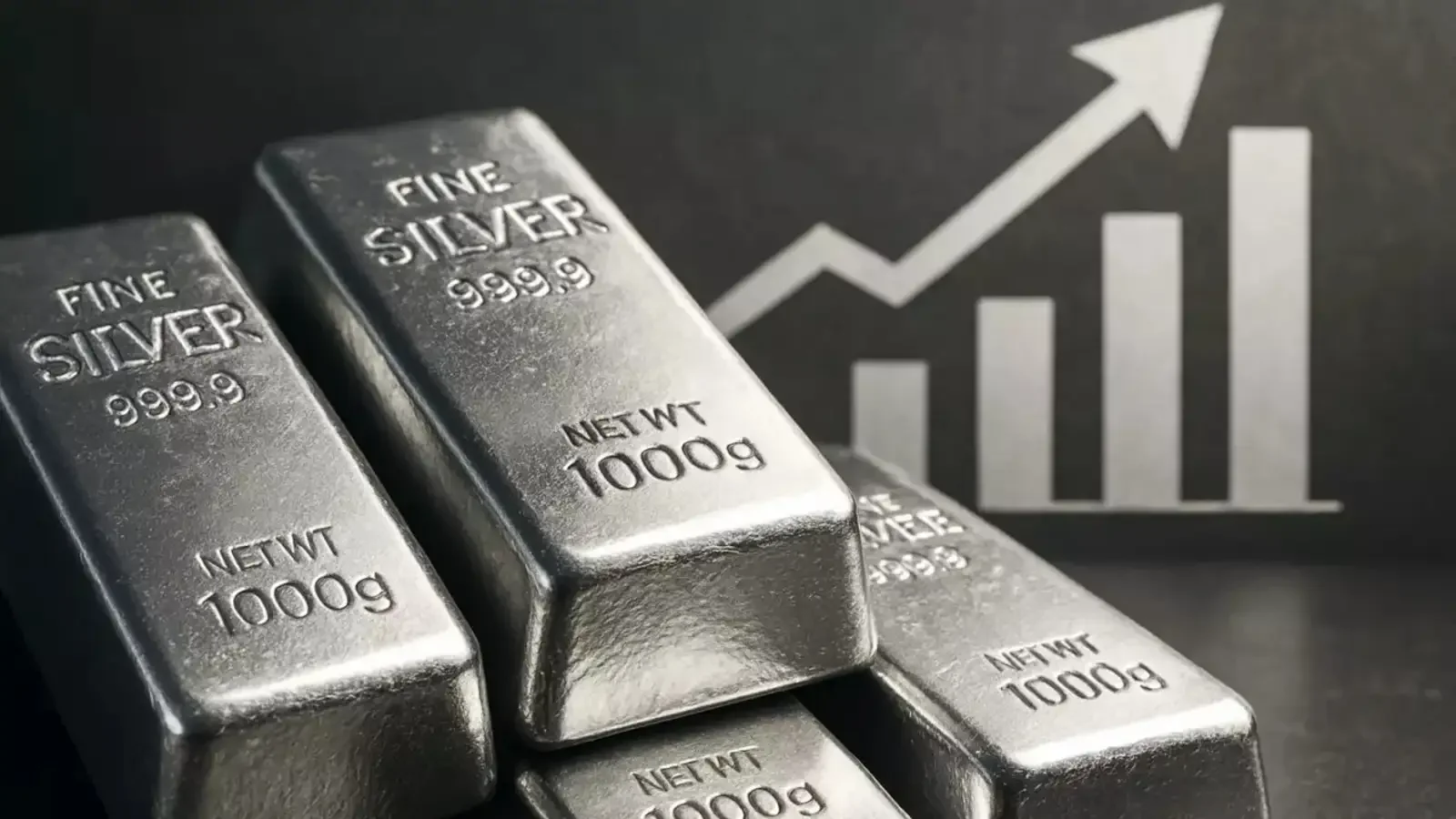
Dramatic Decline in Precious Metals
On Friday, the price of gold experienced a staggering decline, dropping more than 12% during trading before settling at approximately $4,870, reflecting a nearly 9% loss. Silver faced an even sharper downturn, plummeting close to 27% and falling below $85 per ounce. At its lowest point, silver recorded an intraday loss exceeding 35%.
Bloomberg noted that such a drastic intraday drop in gold had not been seen since the financial crisis of 2008.
Investor Sentiment Shifted by Fed Nomination
For several weeks, the rising prices of gold and silver were largely driven by concerns regarding the potential undermining of the Federal Reserve's independence. Repeated criticisms from Donald Trump aimed at Jerome Powell, accusing him of not lowering interest rates swiftly enough, had fueled speculation about a politically motivated appointment that could destabilize the U.S. central bank.
The nomination of Kevin Warsh has significantly alleviated these concerns. A former Fed governor from 2006 to 2011 and a veteran of Morgan Stanley, Warsh is viewed as an institutional figure well-versed in monetary policy and market operations. Many investors believe this appointment diminishes the risk of the Fed being influenced by the executive branch.
Strengthening Dollar and Market Reactions
This reassessment of institutional risk has led to a rapid normalization of expectations, adversely affecting assets that had served as hedges against a loss of monetary credibility. Concurrently, the dollar strengthened significantly, appreciating nearly 1% against both the euro and the British pound. This increase is attributed to the perception of a more predictable Fed in the medium term, bolstered by Warsh's credibility.
A stronger dollar exerts downward pressure on precious metals, which are priced in U.S. currency, particularly when their previous gains were driven more by financial flows than by physical supply constraints.
Bond Market Stability Amid Precious Metals Correction
In contrast, the bond market remained relatively stable, with the yield on the 10-year Treasury hovering around 4.24%, indicating that the correction in gold and silver does not reflect a broader macroeconomic shock but rather a targeted adjustment.
Extreme Positioning and Market Volatility
The severity of the price movement can also be attributed to the extreme positioning of investors. Just the day before, gold had reached a record high above $5,590 per ounce, while silver surpassed $121, following a nearly 70% increase since the beginning of the year.
The announcement from the White House acted as a catalyst for massive profit-taking in a market that had become highly volatile. Analysts have noted that many market participants were awaiting a signal to reduce their exposure, as the rapid price increases rendered precious metals susceptible to sharp corrections.
Structural Support for Gold Remains
Despite the magnitude of the decline, the structural factors supporting gold remain intact, including ongoing geopolitical tensions, uncertainties surrounding global debt, and an unpredictable U.S. political landscape. However, in the short term, the market has clearly acknowledged the end of an extreme scenario regarding the Fed.
Friday's trading session appears to represent a sharp deflation of an excess fueled by speculation and an institutional risk that has, at least temporarily, diminished.