Global Silver Market Dynamics
The global silver market is currently under unprecedented pressure, as reported by the Silver Institute. In 2025, demand for silver exceeded mining supply for the fifth consecutive year. This physical deficit has only been partially mitigated through recycling and the drawdown of reserves from major markets, including the London Bullion Market Association (LBMA) and COMEX.
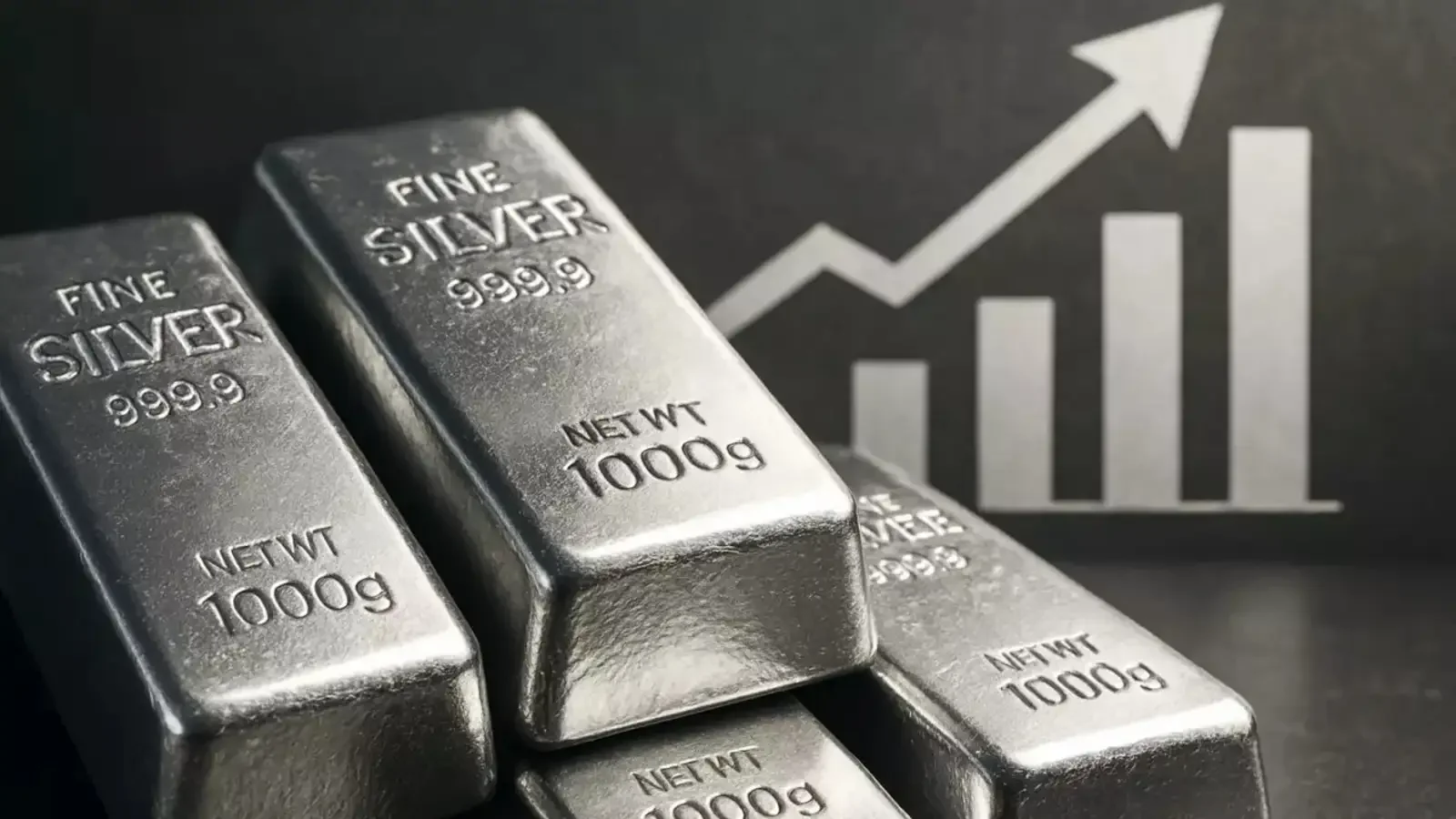
These measures, inherently limited, are no longer sufficient to meet the rising industrial demand. Consequently, silver prices have surged dramatically. After a prolonged period of stability between $14 and $18 per ounce, prices began to escalate significantly from 2020, reaching nearly $100 per ounce by early 2026 amidst a highly volatile market.
Industrial Demand and Photovoltaics
In the renewable energy sector, the photovoltaic industry is at the forefront of this demand surge. Silver is essential for ensuring the electrical conductivity of solar cells, a role that has evolved from being considered secondary to becoming a central component of cost structures.
Manufacturers have made significant strides in reducing silver intensity per watt over successive technological generations. Current TOPCon cells utilize approximately 10 to 13 mg/W, while heterojunction architectures have decreased to below 8 mg/W. However, these advancements do not offset the increasing volume of installations.
With over 600 GW of new photovoltaic capacity installed in 2024, the overall demand for silver remains robust. In manufacturing facilities, silver has become the largest variable cost in solar cell production, surpassing silicon, accounting for nearly 30% of a cell's cost and about 20% of a module's cost.
Rising Costs and Pricing Strategies
This shift challenges a model that has relied on continuous price declines. Productivity gains are no longer sufficient to absorb rising raw material costs, prompting manufacturers to consider significant price increases to maintain their margins. In several segments, price hikes of 20% to 30% are being discussed for 2026, marking a departure from the historical trend of declining costs that had previously facilitated the adoption of green technologies.
Impact of AI and Digital Technologies
In the realm of digital technologies, the impact of rising silver prices is less immediate but equally significant. The growth of artificial intelligence relies on increasingly dense data centers equipped with high-performance processors and reliable electronic components. Silver is utilized for its exceptional electrical and thermal conductivity, which is challenging to replace in environments with extreme constraints.
In these infrastructures, the concern is not merely the quantity of silver used per component but the proliferation of critical equipment. Currently, substitution options remain limited. Copper, often cited as an alternative, presents oxidation and reliability issues that hinder its widespread adoption.
Economic Pressures on Manufacturers
For manufacturers, the rising price of silver is fundamentally altering economic balances. In both solar and advanced electronics sectors, the raw material increasingly weighs on production costs. While technological adjustments continue, their pace is insufficient to keep up with the current price dynamics.
The market is already feeling the effects, with silver producers benefiting directly from rising prices, while industrial users face shrinking margins. Companies that can secure their supply chains or integrate recycling into their business models are gaining a competitive edge.
Morocco's Strategic Role in Silver Production
In an increasingly constrained global silver market, Morocco has emerged as the leading producer in the MENA region, accounting for nearly 95% of regional output. The Kingdom benefits from a diverse mining base and several operators directly exposed to price fluctuations.
Aya Gold & Silver is a prominent player in this recent dynamic, with the Zgounder mine boosting production to 4.8 million ounces in 2025, positioning it among the fastest-growing silver assets. This trajectory enhances Morocco's direct exposure to market tensions.
Managem Group serves as a historical pillar in this sector through its subsidiary SMI, which operates the Imiter deposit, one of the country's oldest primary silver sites. In 2024, SMI produced 127.7 tonnes of silver, equivalent to just over 4 million ounces, with a competitive production cost (AISC of $19.6 per ounce) and proven and probable reserves exceeding 70 million ounces, ensuring long-term operational visibility.
The Compagnie Minière de Touissit (CMT) complements this landscape, having marketed approximately 0.9 million ounces of silver in 2024, making the metal a significant contributor to its revenues and explaining the sensitivity of its results to price changes.
Overall, the combination of production assets, ramping projects, and substantial reserves positions Morocco credibly in the global silver market. In the context of energy transition and accelerated digitization, this mining base represents a strategic lever for a country that imports technologies, especially as the availability of critical metals becomes a key competitive factor.