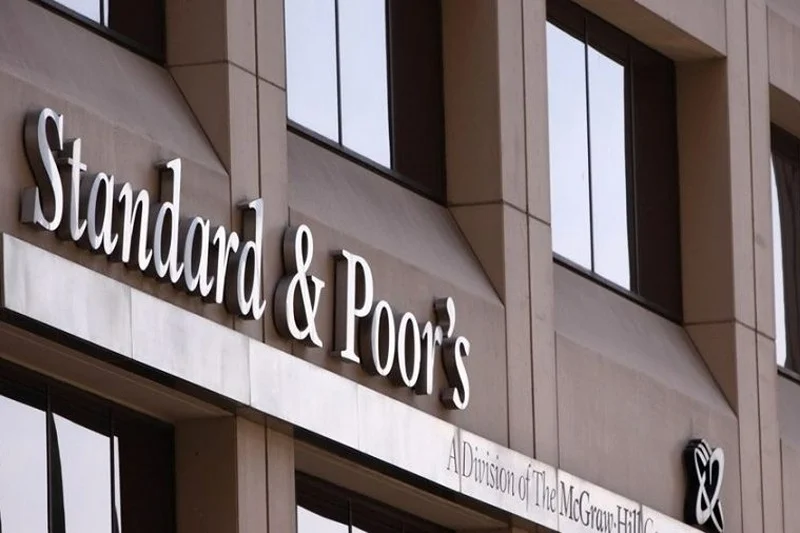
S&P highlights a balanced macroeconomic mix as a key factor in upgrading Morocco's credit rating. Controlled inflation has allowed Bank Al-Maghrib to ease its monetary policy, enhancing purchasing power and stimulating domestic demand. Concurrently, public finances are showing gradual consolidation, with a budget deficit expected to be around 3% of GDP by 2026 and debt projected to fall below 60% of GDP by 2028. Foreign exchange reserves are considered comfortable, currently covering 5.5 months of imports.
Economic growth is another pillar of this rating revision. Real GDP is expected to grow by an average of 4% between 2025 and 2028, driven by investment, consumption, and the dynamism of several key sectors, including construction, tourism, automotive, aerospace, phosphates, and information technology. Major infrastructure projects related to the 2025 Africa Cup of Nations, the 2030 World Cup, and energy investments will further enhance this trend.
S&P also emphasizes the depth of structural reforms underway in Morocco. The country has initiated a comprehensive tax modernization effort that broadens the tax base and encourages the formalization of the economy. Expanding health and social coverage, deploying a unified registry, and managing water scarcity illustrate the authorities' commitment to strengthening resilience and supporting economic diversification. These advancements are expected to attract more foreign investment and diversify growth sources, despite ongoing vulnerabilities.
Morocco remains exposed to climate shocks, particularly droughts that impact agriculture and employment. Unemployment, especially among youth and women, remains high, and regional inequalities persist. Nevertheless, Standard & Poor’s believes that the overall trajectory of the Moroccan economy is sufficiently strong and credible to justify the upgrade of its sovereign rating and its return to the "Investment Grade" category.
Institutional and Economic Profile: Structural reforms support growth prospects. Growth will be driven by a macroeconomic policy focused on stability and the implementation of budgetary and economic structural reforms. This will promote diversification, productivity, and inclusivity. A real average growth of 4% is expected from 2025 to 2028, primarily due to domestic demand and significant investments. However, GDP per capita, projected at $4,700 in 2025, remains low, and structural challenges will persist.
The economy performed well in the first half of 2025, with a growth rate of 4.8% in Q1, driven by construction, industry, tourism, ICT, and increased agricultural and phosphate production. Indicators from Q2 confirm this momentum, with cement sales up 15.3%, phosphate production up 18%, and tourism revenues up 19%. Unemployment decreased to 12.8% in June 2025, down from 13.1% a year earlier.
Sectoral Perspectives and Investments: The tourism sector continues to expand significantly, with a 15% increase in visitors over eight months, totaling 13.5 million. The automotive, aerospace, construction, phosphates, and fertilizers sectors—particularly due to OCP's strategic investment plan to double production by 2030—along with ICT, will support growth. Infrastructure projects related to the 2025 Africa Cup of Nations, the 2030 World Cup, as well as energy, health, and transport, will bolster activity.
Downside Risks: Geopolitical tensions and uncertainties in international trade pose risks. There is a dependency on the Eurozone, Morocco's main trading partner. The country also faces persistent vulnerability to climate-related events.
Public Finances and Debt: A budget deficit is expected to be around 3% of GDP in 2026, with the net debt-to-GDP ratio declining below 60% by 2028. Tax revenues are rising due to reforms in VAT, income tax, and corporate tax, alongside the gradual phasing out of subsidies for butane, coal, and oil.
Current Account and FDI: The current account deficit is projected to be slightly above 2% of GDP from 2025 to 2028, with foreign direct investment growing significantly at an average of 20% per year. Foreign exchange reserves are increasing, covering 5.5 months of imports.
Inflation, Monetary Policy, and Exchange Rate: Inflation is contained, averaging 2.1% from 2025 to 2028. The Bank Al-Maghrib's key interest rate was lowered to 2.25% in March 2025. A gradual transition to a more flexible exchange rate regime is expected by 2027, with an expansion of the dirham's fluctuation band.
Banking Sector: The banking sector has moderate capitalization but limited systemic risks. Profitability is expected to rise above pre-COVID levels. Exposure to Sub-Saharan Africa presents both opportunities and risks. A new minimum Tier 1 ratio of 11% for systemic banks will be implemented starting December 2025.


