Significant Growth in Tax Revenues
During a recent session addressing the execution of the 2025 Finance Law, Finance Minister Lekjaa reported that ordinary revenues rose to 424 billion dirhams, primarily due to a robust increase in tax revenues, which surged by 43.8 billion dirhams. This figure represents a realization rate of 107% compared to the projections outlined in the 2025 Finance Law.
Lekjaa highlighted notable improvements in various tax categories, including corporate tax revenues, which reached 91.4 billion dirhams, value-added tax (VAT) at 97.7 billion dirhams, and income tax (IR) at 65.4 billion dirhams, all achieving a realization rate of 107.4%.
Customs Duties and Consumption Tax Increases
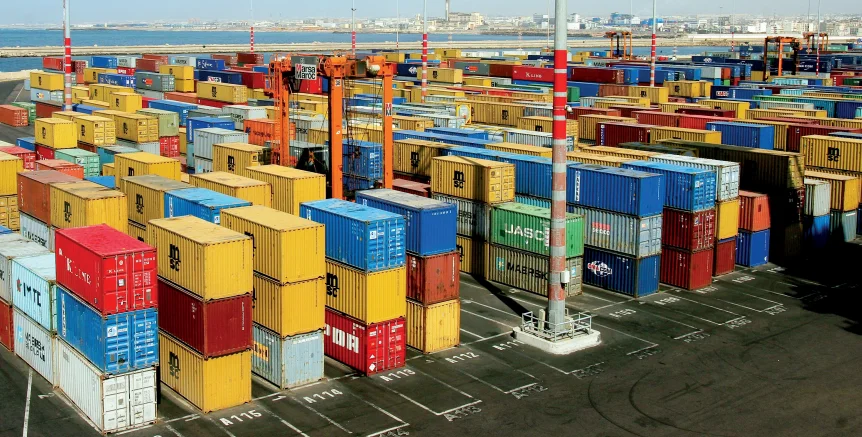
The minister also noted a 12.9% increase in customs duties, which amounted to 17.2 billion dirhams in 2025. Additionally, revenues from the domestic consumption tax (TIC) rose by 13.8%, totaling 41.5 billion dirhams.
Sustained Positive Revenue Dynamics
Lekjaa emphasized that this increase in tax revenues reaffirms the positive momentum observed over the last four years, with an average annual growth rate of 12.4% from 2021 to 2025. This strong performance has enabled the government to manage rising personnel expenses, which increased by 15 billion dirhams to accommodate salary hikes agreed upon through social dialogue.
Furthermore, the funding for the expansion of social protection initiatives reached 37.7 billion dirhams in 2025, up from 32 billion dirhams in 2024.
Impact on Public Investment and Budget Deficit
The minister indicated that the robust revenue performance has also supported ongoing public investment, with disbursements increasing by 7.8 billion dirhams compared to 2024, bringing total payments to 125.3 billion dirhams, achieving a disbursement and payment rate of 76%.
According to Lekjaa, the combination of improved revenues and disciplined expenditure management has kept the budget deficit at 3.5% for 2025, aligning with the targets set in the Finance Law. Additionally, the Treasury's debt has been reduced to 67.2% of GDP, down from 67.7% in 2024.
Future Fiscal Stability Projections
Looking ahead, Lekjaa assured that this positive trajectory is expected to continue in the coming years, with the budget deficit projected to stabilize around 3% from 2026 to 2028. This stability is anticipated to facilitate a downward trend in Treasury debt, targeting 64% of GDP by 2028.
These results underscore the effectiveness of the economic and financial strategies implemented in recent years, guided by the leadership of His Majesty King Mohammed VI. Lekjaa noted that the figures presented adhere to the statistical standards recommended by the International Monetary Fund (IMF).