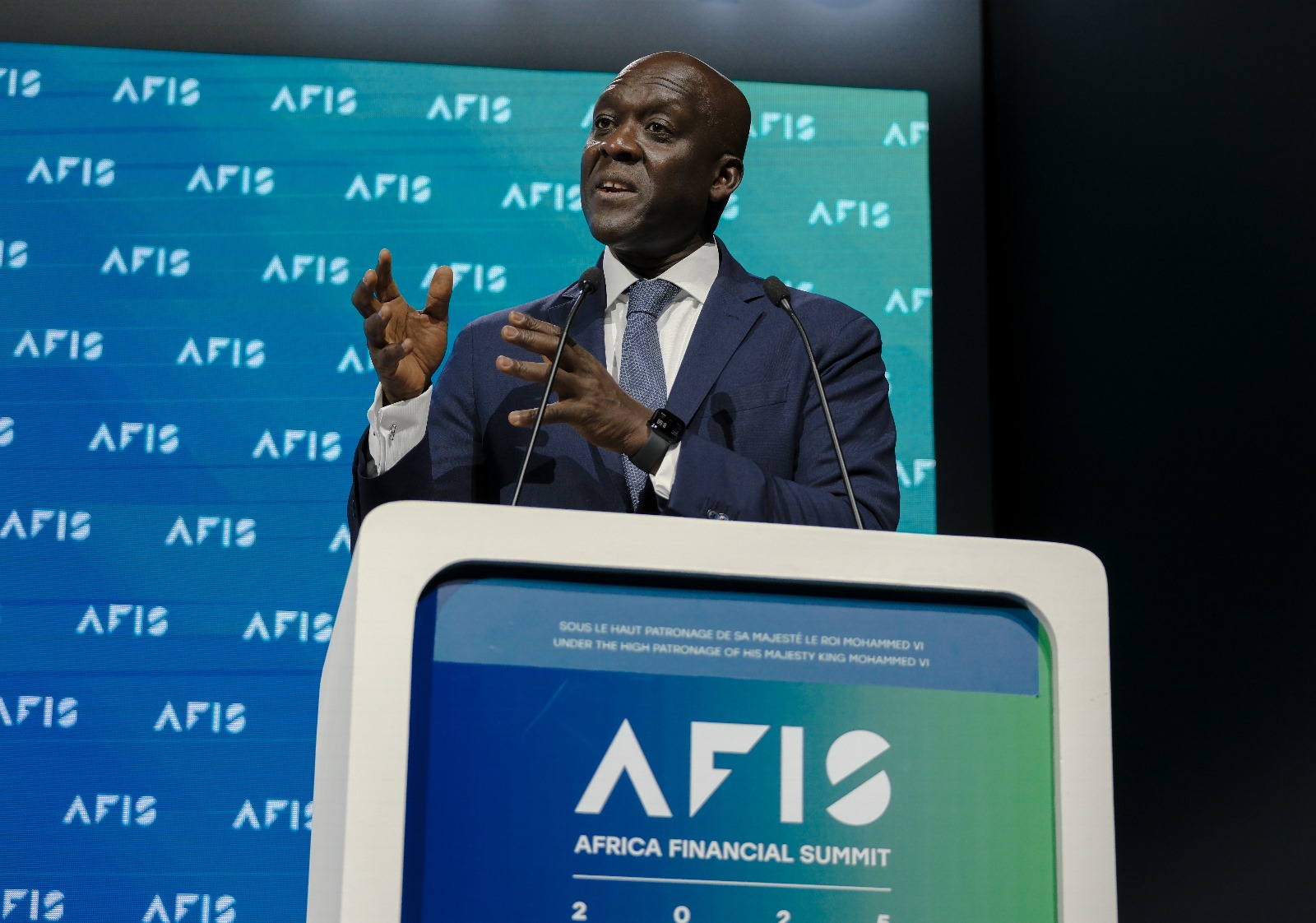
During the Africa Financial Summit (AFIS) currently taking place in Casablanca, the Director-General of the IFC presented a stark assessment of the challenges facing African economies. He noted that these economies are grappling with simultaneous geopolitical, trade, and technological shocks, complicating risk-taking. Additionally, rising public debt compared to the previous decade is constraining state budgets, while international aid is dwindling. It is now time for the private sector to step in, he asserted.
Historically, the IFC has primarily contributed to development financing through debt, trade finance, and lines of credit. The new cycle aims to take a more significant step in mobilization by prioritizing equity and risk-sharing instruments. The institution seeks to increase its equity and quasi-equity interventions to strengthen the solvency of local players, which is essential for sustainable investment cycles.
The goal is to unlock a multiplier effect that debt alone can no longer generate when balance sheets are constrained. Achieving this requires a pipeline of quality assets of critical size capable of attracting institutional investors. The IFC also plans to enhance its unified guarantee mechanisms to lower capital costs and align risk/return profiles with the expectations of both African and foreign institutional investors.
Furthermore, the IFC intends to expand its operations in local currencies, which already account for nearly 30% of its portfolio. This will involve intensifying cooperation with central and commercial banks to exchange local liquidity for dollar resources. This strategy aims to stabilize financial flows and mitigate currency risk on projects.
Finally, the institution emphasizes data and technology as the fuel for this new approach. It plans to invest more in technology and encourages banks to share more information to improve the rating, pricing, and financing of SMEs. More data means less information asymmetry, leading to greater appetite for equity.
The message to the continent is threefold. The IFC urges African private sector players to lead by example: without strong domestic sponsors, international capital will not engage. It recommends that regulators establish pro-integration regulations to facilitate intra-African capital movement. Lastly, it reminds financial institutions of the importance of openness and transparency, which are necessary to build trust and attract equity investors.
In practical terms, the coming months are expected to see more equity tickets from the IFC in high-impact sectors such as infrastructure, energy, health, education, and technology, backed by guarantees capable of mobilizing African institutional investors. Larger regional vehicles are anticipated to emerge, along with an increase in local currency deals, thereby linking value creation to domestic economies.
Ultimately, the IFC prioritizes a shift from a debt-dominated model to a mix where equity becomes a driving force for acceleration. The operational message is clear: bankable assets, size, guarantees, local currencies, and data are essential. Only at this price will African savings—and international capital—sustainably finance African growth.


