A Transformative Year for Precious Metals
The year 2025 marked a pivotal moment for gold, which surpassed the $4,000 per ounce threshold, indicating a reconfiguration of the monetary and financial cycle. This milestone was not merely another chapter in the history of gold but a clear signal of changing dynamics in the global economy.
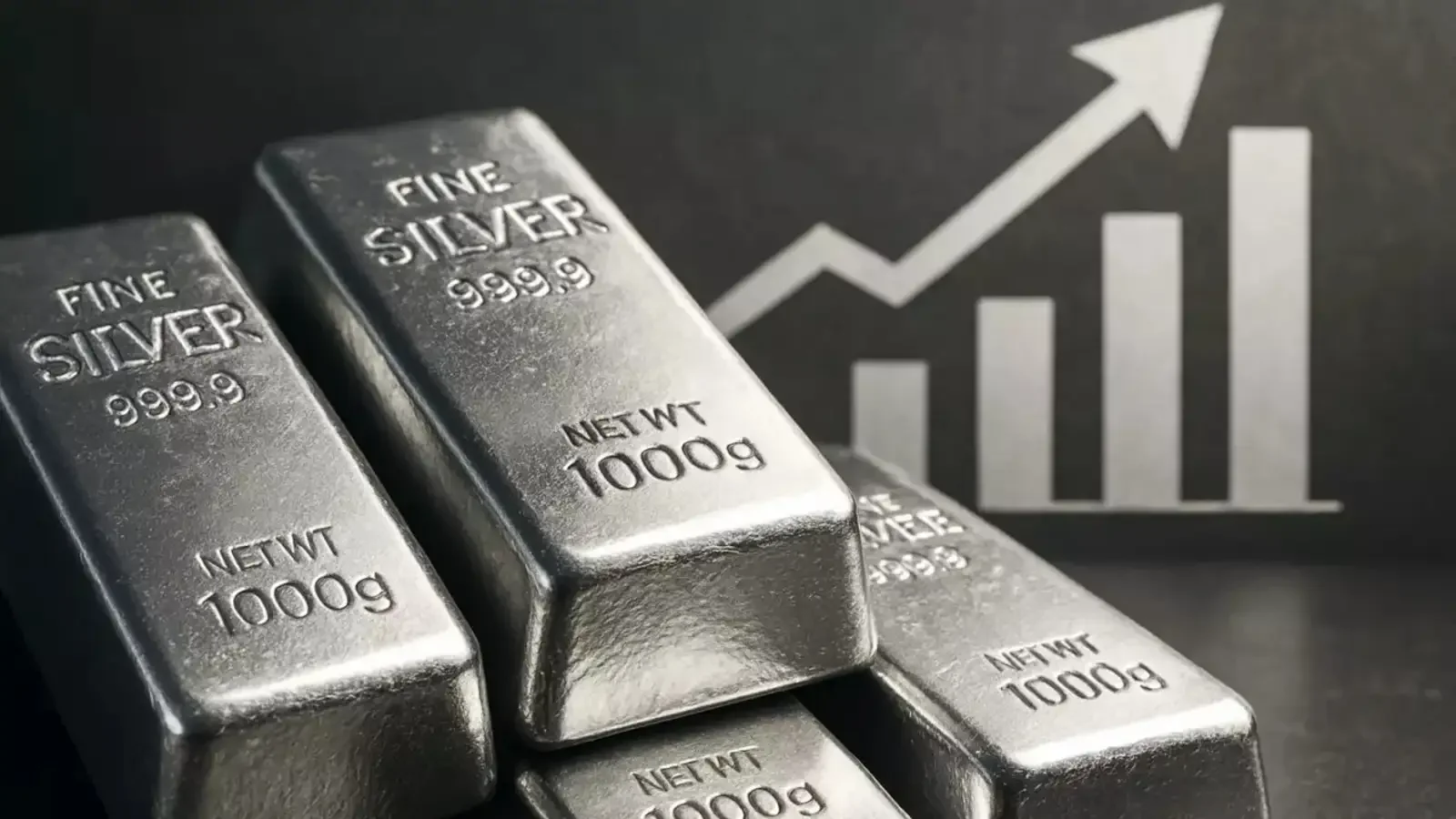
In the months that followed, silver, often overshadowed by gold, outperformed expectations with an impressive increase of over 140% for the year, establishing itself as the top-performing commodity. While gold served its traditional role as a safe haven, silver's performance underscored a deeper transformation in supply and demand mechanics.
Investment-Driven Gold Surge
The remarkable rise in gold prices during 2025, the highest annual performance since the late 1970s, was not driven by jewelry demand or mining shortages but was primarily fueled by investment. Flows into gold-backed ETFs reached levels reminiscent of major financial crises, while central banks, particularly in Asia and the Middle East, continued to diversify their reserves away from the dollar.
Concurrently, the easing of U.S. interest rates and the prospect of further reductions diminished the opportunity cost of holding gold. Amidst soaring U.S. public debt, geopolitical fragmentation, and financial market volatility, gold reasserted its status as a form of ultimate currency in uncertain times.
Investment Outlook for 2026
Looking ahead to 2026, major investment banks do not foresee a collapse in gold prices. The prevailing scenario suggests a consolidation at historically high levels, with a bullish bias should political, monetary, or financial tensions escalate.
Silver's Evolution: From Precious Metal to Strategic Asset
The standout surprise of 2025 was not just gold's ascent but silver's meteoric rise. Traditionally, silver has followed gold, characterized by higher volatility and speculation, but this pattern was disrupted in 2025. Silver has evolved beyond a mere financial asset to become a critical industrial input.
Currently, nearly 60% of global silver demand stems from industrial applications. Sectors such as photovoltaics, electrification, advanced electronics, and, more recently, data centers and AI-related infrastructure are consuming increasing volumes of silver, a metal whose conductivity is irreplaceable.
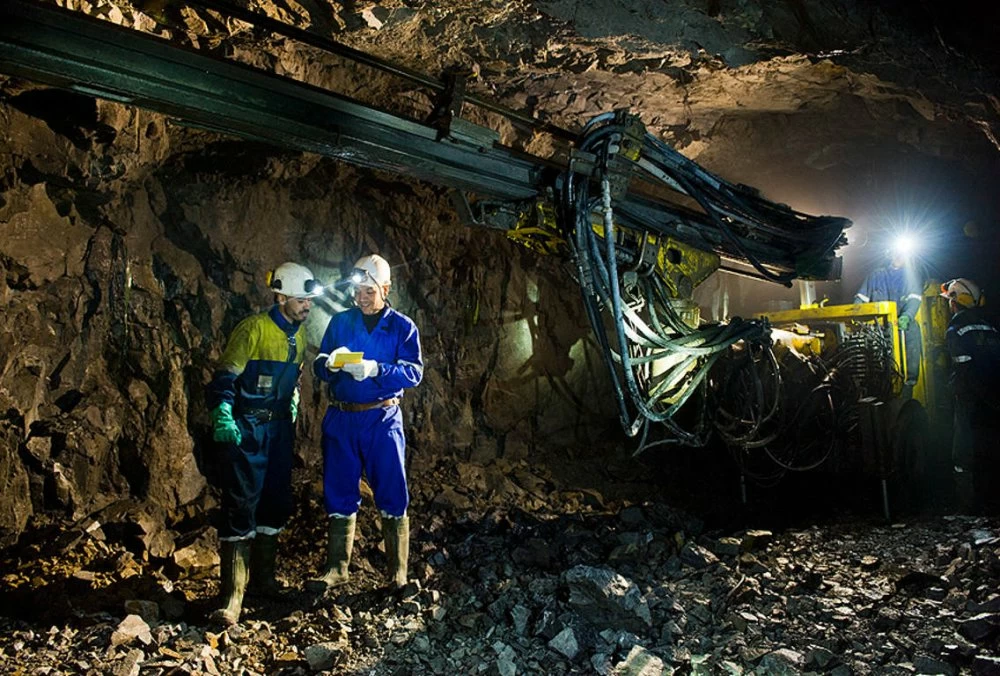
This rising demand occurs in a context where supply is inherently inflexible; approximately 70% of global silver production is derived from mines where it is a byproduct of copper, zinc, or lead extraction. Consequently, producers cannot swiftly ramp up output even as prices rise.
Market Dynamics and Volatility
This combination of structurally increasing demand and rigid supply conditions led to the 'silver squeeze' observed in 2025. Physical stock tensions, particularly in London and Shanghai, were exacerbated by the microstructure of derivative markets. When clearinghouses raised margin requirements, exposed operators were forced to reduce their positions, resulting in sharp price drops followed by equally rapid rebounds.
The volatility of silver is not indicative of fragility; rather, it reflects a tight market under real physical pressure. Gold continues to serve as a monetary anchor, while silver acts as a lever.
Investment Strategies in a New Era
In 2026, both metals may continue to trend in the same direction, albeit for different reasons. Gold remains supported by investment flows and central bank purchases, while silver's trajectory is influenced by industrial cycles and market sentiment.
In a scenario of moderate global growth and ongoing energy transition, silver demand is expected to remain robust. However, in the event of a liquidity shock or recession, silver may experience sharper corrections than gold, although its long-term trajectory will be shaped by a challenging structural deficit.
Market Repricing in Casablanca
The global reconfiguration of the metals market has not been confined to major financial centers. The Casablanca Stock Exchange witnessed a significant repricing of the mining sector in 2025, with two companies, Managem and its subsidiary Société Métallurgique d’Imiter (SMI), leading this reevaluation.
Managem's stock more than doubled during the year, surging by 121.53% from a low of 2,889 dirhams to a peak of 6,400 dirhams, with an annual trading volume of 1.66 billion dirhams. The stock continued its upward trajectory into early 2026, reaching around 7,389 dirhams, a 15.45% increase as of January 9.
This movement is not purely speculative. In 2024, the company reported revenues of nearly 8.9 billion dirhams and a net profit of approximately 620 million dirhams. Notably, over half of its operational generation now comes from gold, with silver contributing around 13%, and the remainder from copper, cobalt, and zinc.
Expansion and Future Prospects
The company's growth was further bolstered by the commencement of operations at the Boto mine in Senegal, which boasts reserves of nearly 1.8 million ounces and an expected annual production of about 160,000 ounces in its initial years. This asset provides Managem with direct and sustainable exposure to the gold cycle.
The ManaGold program aims to elevate the company's gold production to 500,000 ounces annually by 2028, significantly altering its growth trajectory. Although debt levels have risen to finance this expansion, the market remains receptive as long as the assets deliver on their promises.
By the third quarter of 2025, this transition became tangible, with Boto delivering its first ingot and entering the production phase. Simultaneously, Managem secured financial resources by selling a portion of its Gabgaba project in Sudan to a Chinese partner in a deal valued at $420 million, aimed at funding the ramp-up of gold assets in West Africa.
SMI's Performance and Market Position
On the other hand, SMI emerged as a local proxy for the silver squeeze, with its stock climbing over 108% in 2025, from 1,971 to 4,100 dirhams on a trading volume of 476 million dirhams. The stock continued its upward momentum into early 2026, exceeding 4,700 dirhams, a 14.66% increase as of January 9.
SMI primarily produces silver, and its profitability is closely tied to metal prices. In 2024, the company sold approximately 122,700 kg of silver at an average price of $27.14 per ounce, generating over 1 billion dirhams in revenue and a net profit of 187 million dirhams. Its production costs remained below $20 per ounce, providing significant leverage when prices surge.
By the third quarter of 2025, this dynamic was fully realized, with revenues reaching 349 million dirhams, a 40% year-on-year increase driven by higher sales volumes and rising metal prices. Cumulatively, revenues for the first nine months of the year approached 1 billion dirhams.
Conclusion: A New Era for Metals
In summary, 2025 closed the chapter on a world where precious metals played secondary roles in capital allocation. Gold has reestablished itself as an implicit monetary pillar, while silver has emerged as both a growth and protective metal. This transformation has led to a rapid repricing of mining stocks, reflecting a tight market facing a powerful global theme.
The year 2026 is unlikely to simply replicate 2025. Metals will remain volatile, profit-taking will be inevitable, and the industrial cycle will weigh more heavily on silver than on gold. However, the established hierarchy is poised to endure: gold as the foundation and silver as the engine. For investors, Managem and SMI will continue to serve as key entry points into this new regime.